


The Unforgettable Legacy of Skunk Strains in Cannabis Culture
Skunk strains have become synonymous with robust flavor and powerful effects in the cannabis community. With their distinctive pungent aroma and high THC content, these strains command respect among both recreational and medicinal users. In this article, we dive into the history, characteristics, and cultural significance of Skunk Strains, exploring why they remain a favorite among cannabis enthusiasts.
History of Skunk Strains
The roots of Skunk strains can be traced back to the late 20th century when breeders began experimenting with hybridization in an attempt to create varieties that possessed specific desirable traits. The name “Skunk” itself emerged in the 1970s, owing to the strain’s uniquely pungent odor reminiscent of the animal. The original Skunk #1, developed by Sacred Seed Co. in the 1970s, is a robust indica-sativa hybrid known for its stability and vigor.
As the market for cannabis expanded, Skunk strains rapidly gained popularity, especially among growers seeking high-yielding and potent varieties. The introduction of Skunk genetics into breeding programs worldwide led to the creation of numerous hybrids, all benefiting from Skunk’s intense aroma and intoxicating effects.
.png)
Characteristics of Skunk Strains
Skunk strains are renowned for their unique characteristics, which contribute to their high desirability. Here are several key attributes:
- Aroma: The most distinguishing feature of Skunk strains is their strong, pungent aroma. The scent is often described as earthy, musky, and sweet, with an unmistakable skunky undertone that some users find off-putting, while others find alluring.
- Flavor: The flavor profile of Skunk strains is typically rich and complex, often featuring notes of citrus, fruit, and spice, balancing the strong aroma that users expect.
- Effects: Skunk strains are known for their balanced effects; they deliver an uplifting cerebral high accompanied by relaxing body effects. This makes them suitable for a range of users, from those seeking relief from pain or anxiety to those looking for a mood lift.
- THC Content: Many Skunk strains boast high THC levels, often exceeding 20%, making them a popular choice for experienced users looking for potent effects.
The Impact of Skunk Strains on Cannabis Culture
Skunk strains have undeniably shaped cannabis culture over the years. As one of the first strains to gain widespread recognition, they laid the groundwork for the commercialization of cannabis, encouraging breeders to continue exploring hybrid strains with unique characteristics.
Moreover, Skunk strains have become a cultural icon, representing not only a specific breed of cannabis but also a lifestyle. The strain’s notoriety is reflected in popular media, often associated with the laid-back, countercultural movements of the 70s and 80s, and it has maintained a visible presence in music and art ever since.
Popular Skunk Strains
Since its introduction, numerous popular Skunk strains have emerged, each with distinct traits that cater to varied preferences. Here are a few notable examples:
- Skunk #1: Often regarded as the original Skunk strain, Skunk #1 has set the standard for its descendants. It’s a balanced hybrid with a potent high and an easy-to-grow nature, making it ideal for beginners.
- Super Skunk: A classic upgrade of the original, Super Skunk is known for its exceptional yield and even more pronounced aroma. Users often report an intense feeling of euphoria accompanied by a soothing body high.
- Skunk Hero: This hybrid combines Skunk genetics with other strains for a more varied experience. Its flavor profile includes citrus and candy notes, and its effects are both uplifting and relaxing.
- East Coast Sour Diesel: While not a Skunk strain in name, its Sourdough Skunk lineage ties it closely to the family. This strain is celebrated for its robust diesel aroma, complemented by that classic skunky scent, and offers users an invigorating cerebral high.
Growing Skunk Strains
For those interested i
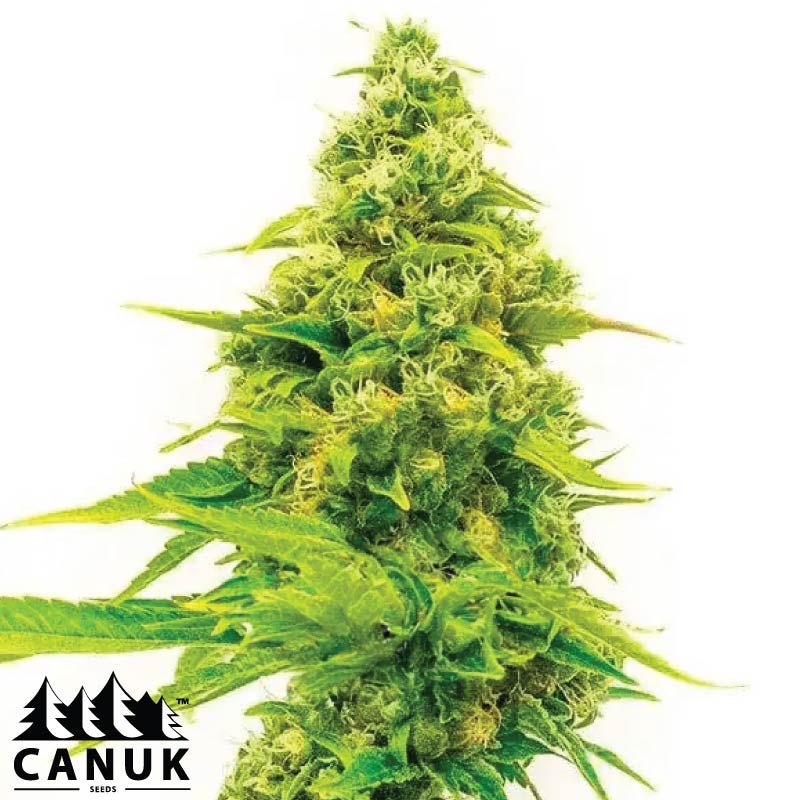
n cultivating Skunk strains, it’s essential to understand their growing requirements. Skunk strains are generally hardy and resistant to mold and pests, making them suitable for both indoor and outdoor growing conditions.
Here are some key considerations for growing Skunk strains:
- Climate: Skunk plants thrive in a warm, sunny environment. Outdoor growers should aim for a Mediterranean climate, while indoor growers can control temperature and humidity to create ideal conditions.
- Soil Nutrients: These strains appreciate nutrient-rich soil, especially during the flowering stage, where higher levels of phosphorus and potassium will stimulate healthy bud growth.
- Light Cycle: For indoor cultivation, a typical 12/12 light cycle will encourage flowering, while providing at least 18 hours of light during the vegetative stage will promote healthy growth.
- Harvest Time: Skunk strains typically have a flowering time of about 8 to 10 weeks. Observing trichome development is critical; harvesting when the trichomes are milky with some amber will ensure the most desirable effects.
Conclusion
Skunk strains hold a legendary status within the cannabis community, celebrated for their potent effects and unmistakably pungent aroma. Their deep-rooted history and influence on cannabis culture, breeding practices, and user experience have established them as foundational strains that will continue to thrive and evolve over the coming years. For those interested in exploring the diverse world of cannabis, Skunk strains represent an unforgettable journey filled with rich flavors and deep relaxation.